news

Express Exhibition Presentation: Pages of Cossack Diaries
Published: 07.10.2026
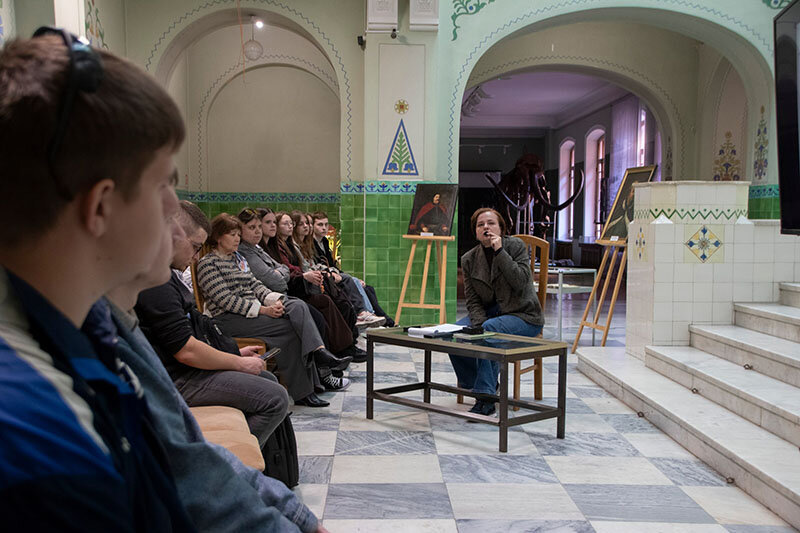
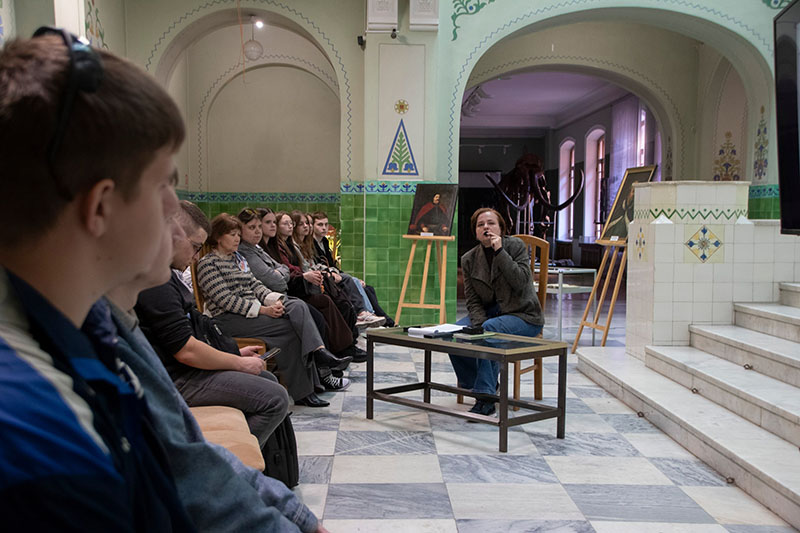
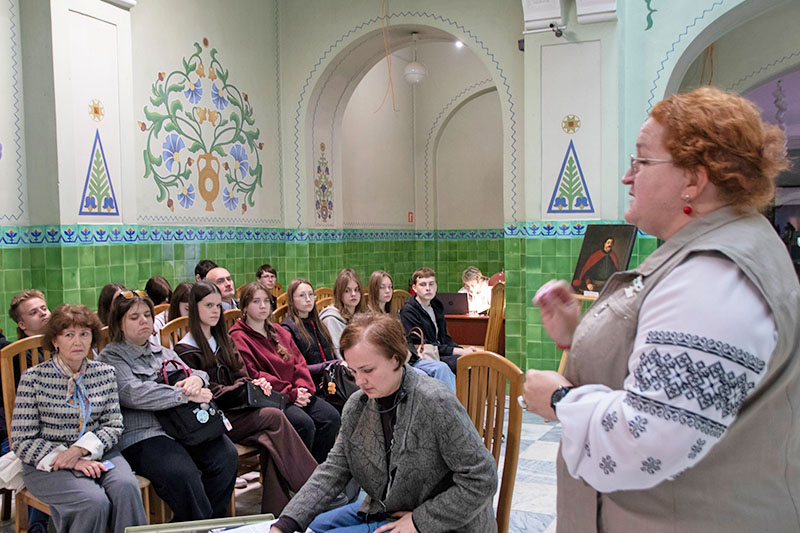
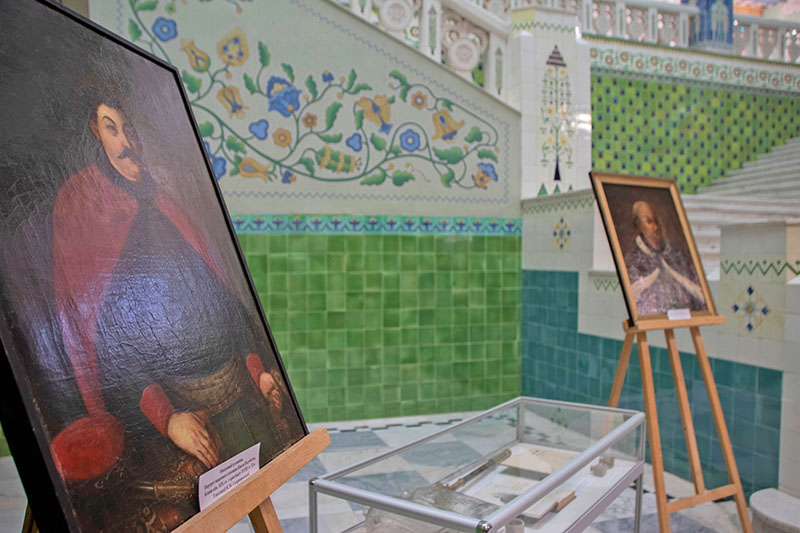
On October 1st, Ukraine celebrates the Day of Defenders of Ukraine, the Day of Ukrainian Cossacks, and the Feast of the Intercession of the Most Holy Theotokos, the heavenly patroness of the Cossacks. To mark this occasion, the Vasyl Krychevsky Poltava Regional Studies Museum hosted the presentation of the express exhibition "Through the Pages of Cossack Diaries."
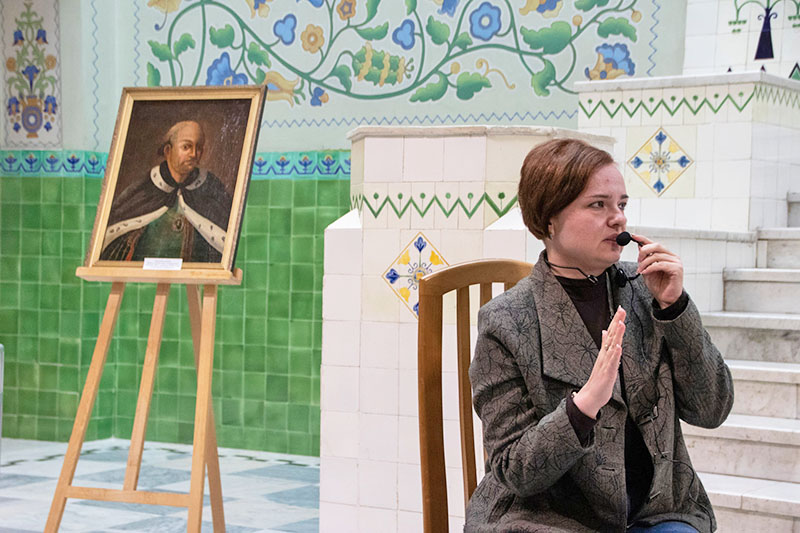
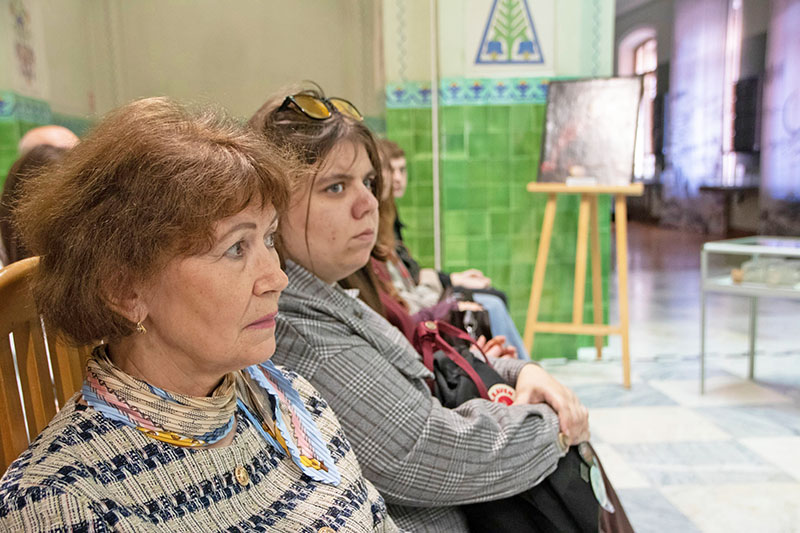
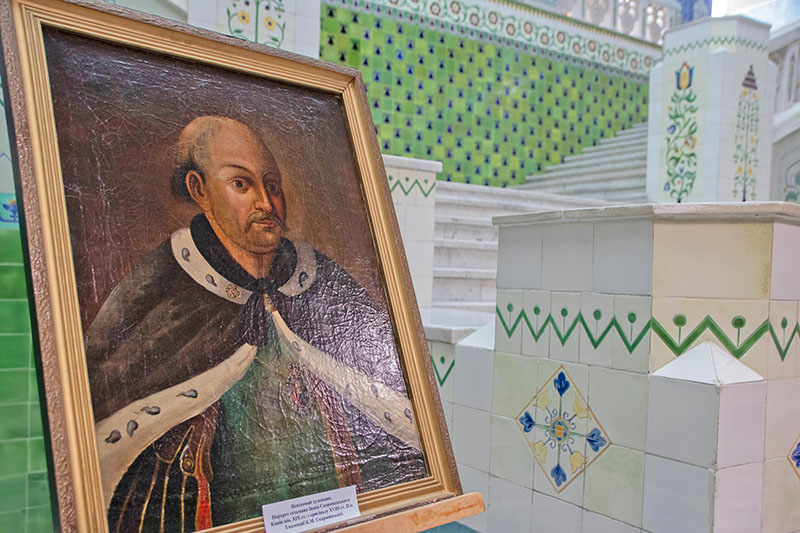
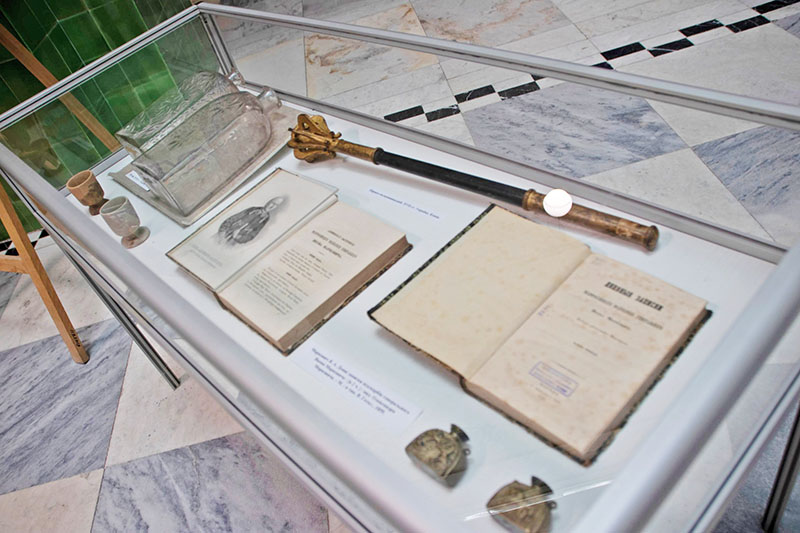
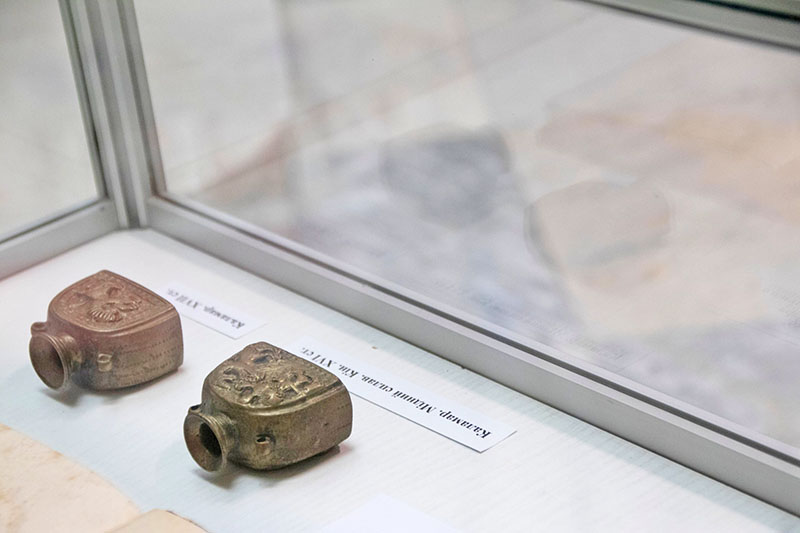
Museum staff invited students from the Faculty of History and Geography of the V. G. Korolenko Poltava National Pedagogical University to explore everyday artifacts from the Cossack era. The highlights of the presentation were published volumes of the diary kept by Yakiv Markovych (1696–1773), the Acting Colonel of Lubny and General Treasurer of the Hetmanate. Natalia Kuzmenko, Head of the Modern History Department, emphasized the vital importance of studying primary sources that shed light on the daily life of Cossack officer families.
The presentation by Olena Zamura, PhD in History and Senior Researcher at the Department of Late Middle Ages and Early Modern History, was dedicated to the 330th anniversary of Yakiv Markovych's birth. His diary remains an invaluable primary source on the history of the Hetmanate. For 50 years, Markovych meticulously recorded both political events and the private life of his family. The historical source was first published in 1859 by his grandson, Oleksandr Markovych.
The researcher also highlighted another key source on Cossack history: the memoirs of Luka Yatsenko-Zelensky, a monk from the Poltava Holy Cross (Khrestovozdvyzhenskyi) Monastery. Between 1749 and 1750, he spent five months begging for alms among the Cossacks of the Pidpilnenska Sich. Yatsenko-Zelensky left behind accounts detailing the customs and hospitality of the Zaporozhian Cossacks. His testimonies are particularly compelling as they recreate the everyday realities of ordinary Cossacks who, unlike Markovych, did not belong to the elite.
We express our sincere gratitude to Dr. Liudmyla Babenko, Professor of the Department of History of Ukraine, for her attention to the results of our work and her ongoing collaboration with the museum.
We also thank all members of the working group involved in organizing this express exhibition.